Compliance
What NYC’s Latest Fair Workweek Cases Mean for Employers: Is Your Business Ready?employee scheduling, fair workweek, predictive scheduling
Compliance
Fair Workweek Laws Explained: A Guide for Employers [2026]fair workweek, labor compliance, predictive scheduling
Technology
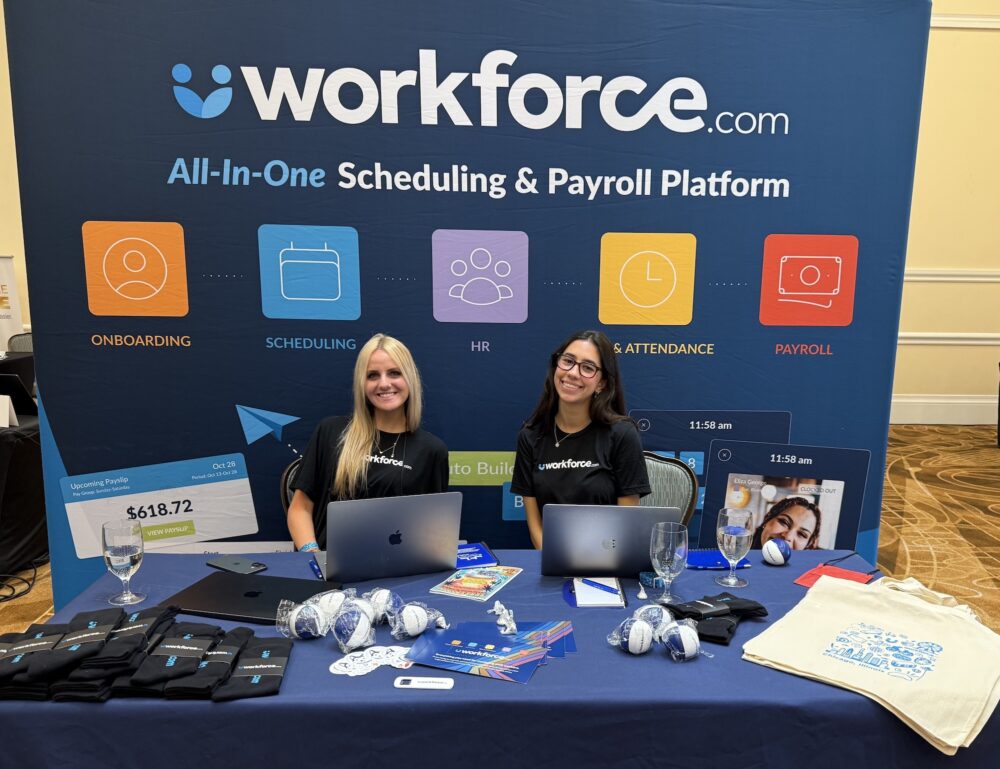
Full Throttle Operations: What Kart Expo 2026 Revealed About Scaling a Karting BusinessFEC, labor forecasting, payroll, workforce management

Compliance
Paid Sick Leave Laws: State by State (2026)Summary Paid sick leave refers to time off that workers can use if they are sick, injur...

Time and Attendance
Your guide to tipping laws by state (2026)Summary Tipping laws vary by state, and HR professionals need to navigate the specific ...

Payroll
Simplifying Payroll for New Hires (and How Workforce.com Makes it Easy)Summary Many things can make or break a new hire’s experience, and one of them is how t...

Staffing Management
5 sneaky ways employees commit time theft (how to stop it)Here are some key insights and solutions to prevent employee time theft in your workpla...

Time and Attendance
Canada Statutory Holiday Pay (2026)Summary: Canadian employers need to know exactly how much they owe their staff during s...

Compliance
Child Labor Laws by State + Federal (2026)Summary Minor labor laws are in place to provide safeguards for people under 18 who are...

Legal
Severance pay & final paycheck laws by state (2026)Summary There are no state or federal laws regarding severance pay. Organizations might...

Technology
Global FEC Market Projected to Top $80B by 2033—What it Means for OperatorsAs operators invest in new attractions and guest experiences, it’s just as important to...